Unlocking the Power of Natural Remedies for Joint Pain: What You Need to Know
Are you tired of living with aching joints and wondering if there's a better way to manage your pain? You're not alone. In recent years, many people in the US have turned to natural remedies for joint pain, seeking a more holistic approach to wellness. From turmeric to ginger, these natural alternatives are gaining attention for their potential benefits.
As the search for natural solutions continues to grow, it's essential to separate fact from fiction and explore the actual mechanisms behind these remedies. In this article, we'll delve into the world of natural remedies for joint pain, discussing what they are, how they work, and who they may be relevant for.
Why Natural Remedies for Joint Pain Is Gaining Attention in the US
The increasing attention on natural remedies for joint pain is closely tied to a broader cultural shift towards wellness and self-care. With more people prioritizing their health and seeking ways to manage chronic pain, traditional treatments are no longer the only option. The rise of online platforms and social media has made it easier for people to access information and connect with others who share similar interests.
Furthermore, the growing awareness of the potential risks associated with long-term use of prescription pain medications has led many to explore alternative solutions. Natural remedies offer a promise of reduced side effects and improved overall well-being, making them an attractive option for those seeking a more natural approach.
How Natural Remedies for Joint Pain Actually Works
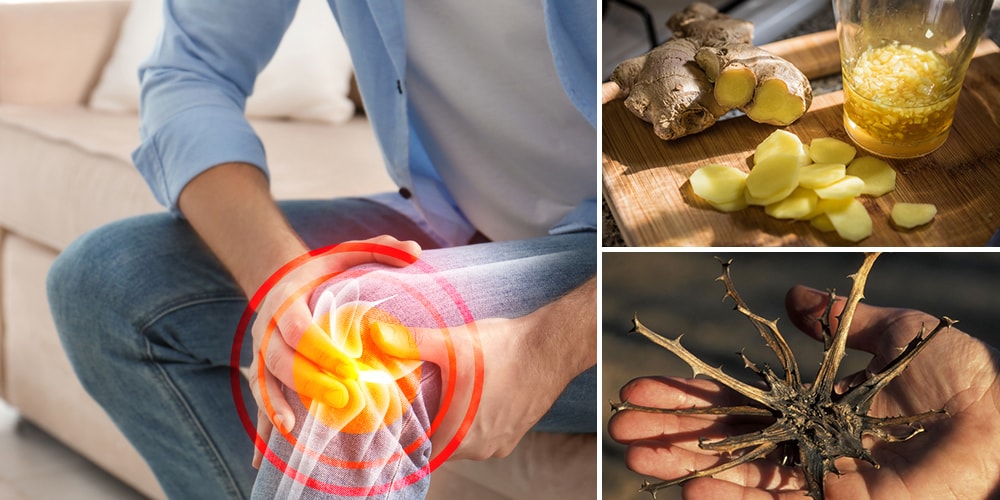
So, how do these natural remedies actually work? While there's no single formula, many of these remedies contain anti-inflammatory compounds that help reduce swelling and alleviate pain. For example, turmeric contains curcumin, a powerful antioxidant that has been shown to inhibit inflammation. Ginger, on the other hand, contains compounds that have been shown to reduce pain and inflammation.
When consumed, these compounds interact with the body's natural processes, triggering a cascade of effects that can lead to improved joint health. By understanding the mechanisms behind these remedies, we can better appreciate their potential benefits and limitations.
Common Questions People Have About Natural Remedies for Joint Pain
Q: Are natural remedies for joint pain safe?
A: Generally, natural remedies for joint pain are considered safe when used as directed. However, it's essential to consult with a healthcare professional before introducing new supplements or making significant changes to your diet.

Q: Do natural remedies for joint pain work for everyone?
A: While natural remedies may be beneficial for many people, results may vary depending on individual circumstances. Factors such as diet, lifestyle, and underlying health conditions can impact the effectiveness of these remedies.
Q: Can I combine natural remedies for joint pain with traditional treatments?
A: In some cases, combining natural remedies with traditional treatments may be beneficial. However, it's crucial to work with a healthcare professional to develop a comprehensive treatment plan that takes into account your individual needs and circumstances.
Opportunities and Considerations
While natural remedies for joint pain show promise, it's essential to be realistic about their potential benefits and limitations. Some of the benefits include:

- Reduced side effects compared to traditional treatments
- Improved overall well-being
- Increased mobility and reduced pain
However, it's also essential to consider the potential drawbacks, such as:
- Variability in effectiveness depending on individual circumstances
- Potential interactions with prescription medications
- Limited scientific evidence supporting some remedies
Things People Often Misunderstand
Myth: Natural remedies for joint pain are a replacement for traditional treatments.
Reality: While natural remedies may be beneficial, they are not a direct replacement for traditional treatments. Consult with a healthcare professional before making significant changes to your treatment plan.
Myth: Natural remedies for joint pain are only for old people.
Reality: Joint pain can affect people of all ages, making natural remedies a viable option for anyone experiencing discomfort.
Myth: Natural remedies for joint pain are not regulated.
Reality: While natural remedies are not subject to the same regulatory requirements as prescription medications, many are still manufactured and sold by reputable companies that adhere to industry standards.
Who Natural Remedies for Joint Pain May Be Relevant For
Natural remedies for joint pain may be relevant for various individuals, including:
- Those experiencing chronic pain
- Individuals looking for alternative treatments to prescription medications
- People interested in improving their overall well-being
While natural remedies may not work for everyone, they offer a promise of improved joint health and reduced pain. By exploring the potential benefits and limitations of these remedies, we can make informed decisions about our health and wellness.

Soft CTA
As you explore the world of natural remedies for joint pain, remember to prioritize your health and consult with a healthcare professional before making significant changes to your treatment plan. Stay informed, and stay open to new possibilities. With the right approach, you can unlock the power of natural remedies and achieve improved joint health.
Conclusion
In the world of natural remedies for joint pain, it's essential to separate fact from fiction and explore the actual mechanisms behind these remedies. By understanding the cultural, economic, and digital trends driving this shift, we can better appreciate the potential benefits and limitations of these alternatives. Whether you're looking for a more holistic approach to wellness or seeking a natural alternative to traditional treatments, natural remedies for joint pain offer a promise of improved joint health and reduced pain.